Compare Local Contractors for Concrete Stamping Projects
Compare local contractors for concrete stamping to define project scope, verify experience, and set clear expectations for a successful property upgrade.
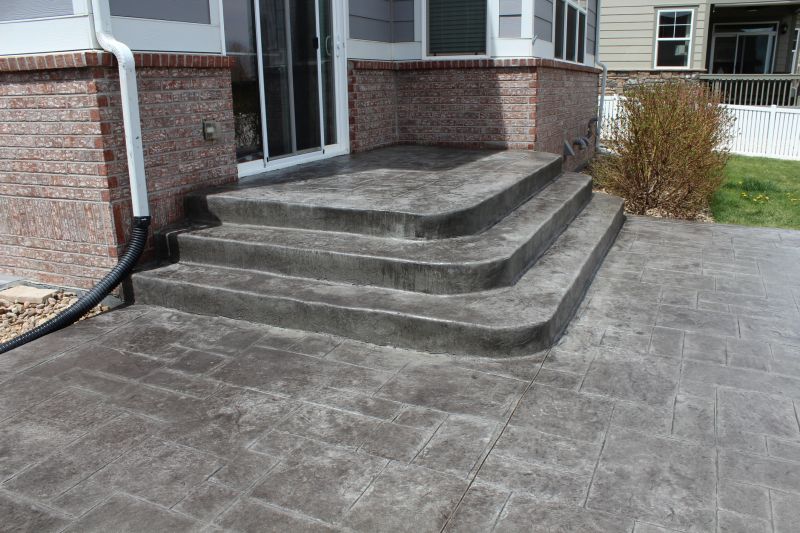
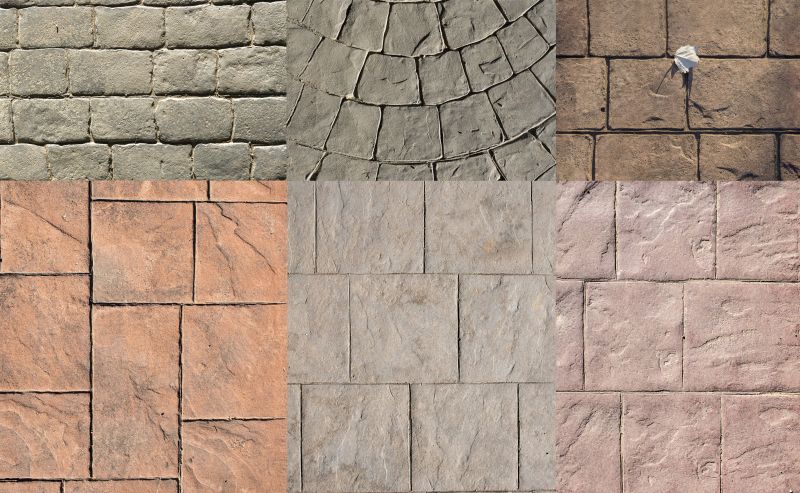
Concrete stamping is a decorative technique used to enhance the appearance of concrete surfaces, often applied to patios, driveways, walkways, and other outdoor areas. This work involves creating textured patterns and designs that mimic the look of materials such as stone, brick, or tile. Contractors specializing in concrete stamping typically handle surface preparation, pouring, stamping, and finishing to achieve a durable and visually appealing result. Understanding the scope of this service helps property owners communicate their desired design and ensure the work aligns with the aesthetic and functional goals of the project.
Defining the scope of concrete stamping projects is essential for setting clear expectations and ensuring the work meets specific needs. Property owners should consider details such as the size of the area, the type of pattern or design desired, surface preparation requirements, and any additional finishing touches. Clearly outlining these aspects in writing can help prevent misunderstandings and provide a basis for comparing proposals from different service providers. A well-defined scope also assists property owners in verifying that contractors have relevant experience with similar projects and can deliver the expected results.
When evaluating local contractors for concrete stamping, property owners should focus on their experience with similar surfaces and designs, as well as their ability to provide detailed proposals that define the scope of work. Comparing credentials, portfolios, and references can offer insights into each contractor’s expertise and reliability. It’s also important to review how each service provider approaches project planning, communication, and scope clarification. By thoroughly assessing these factors, property owners can select a contractor who understands their vision and can effectively deliver a finished surface that meets their expectations.
Compare local contractors by outlining project priorities, verifying experience, and setting clear expectations in writing.
- Compare Contractor Experience - evaluate the background and portfolio of local contractors to ensure they have relevant experience with concrete stamping projects.
- Define Project Scope Clearly - specify the design, pattern, and finish details to help contractors understand the work requirements.
- Verify References and Past Work - review previous projects or contact references to assess the quality and reliability of local service providers.
- Document Expectations in Writing - establish detailed agreements outlining scope, materials, and standards to prevent misunderstandings.

Before comparing contractors, clearly describe your concrete stamping project to ensure accurate scope and expectations.
- Verify the contractor’s experience with concrete stamping projects similar in scope and style. - Ensure the service provider clearly defines the scope of work and expectations in writing.
- Check references or reviews to assess the quality of previous concrete stamping work performed by the contractor. - Confirm that the contractor uses appropriate materials and techniques for durable, high-quality finishes.
- Discuss the proposed design, patterns, and colors to ensure they align with the project vision before work begins. - Clarify the process for surface preparation, stamping, and sealing to avoid misunderstandings.
- Request a detailed written proposal that outlines the materials, methods, and scope of the concrete stamping project. - Confirm the contractor’s approach to managing surface imperfections or issues during installation.
- Compare multiple local contractors to evaluate their experience, scope definitions, and communication style. - Ensure the service providers are transparent about their processes and available to answer questions.
Compare local contractors’ experience and clarify project scope to ensure successful concrete stamping results.


Learn how to compare concrete stamping contractors, define your project scope, verify experience, and set clear expectations in writing.
- Project Scope - Clearly define the specific areas and patterns to be stamped, including any design preferences or customizations.
- Material Specifications - Identify the type of concrete, stamping tools, and finishing techniques to be used for the project.
- Experience Verification - Confirm that local contractors have relevant experience with concrete stamping projects similar in scope.
- Workmanship Standards - Establish expectations for surface preparation, stamping process, and quality control measures.
- Written Agreement - Ensure all project details, scope, and responsibilities are documented in a detailed contract or scope of work.
When comparing contractors for concrete stamping projects, it’s important to evaluate their experience with similar types of work. Homeowners should inquire about the scope of past projects to ensure the contractor has handled designs and materials comparable to what is desired. A contractor’s familiarity with the specific techniques, patterns, and finishes relevant to concrete stamping can influence the quality and durability of the finished surface. Reviewing a contractor’s portfolio or asking for references related to comparable projects can provide insight into their expertise and the outcomes they typically deliver.
A clear, written scope of work is essential for setting expectations and avoiding misunderstandings. Homeowners should seek detailed descriptions of the services included, such as surface preparation, stamping techniques, sealing, and finishing. The scope should also specify the materials to be used and any specific design elements. Having this information documented ensures both parties agree on what will be accomplished and provides a reference point throughout the project. This clarity helps prevent surprises and facilitates a smoother process from start to finish.
Verification basics include confirming that prospective service providers have a history of completing concrete stamping projects successfully. Homeowners can verify the experience by reviewing portfolios, checking references, or examining examples of completed work. It’s also helpful to ask about the contractor’s familiarity with local site conditions and any unique challenges that could affect the project. While licensing and certification are not the focus, understanding a contractor’s background in similar projects can help gauge their capability and reliability in handling the specific requirements of a concrete stamping installation.
Evaluating options without focusing on prices involves assessing the quality of the proposals, the level of detail provided, and the professionalism of each contractor’s communication. Homeowners should compare the scope of work outlined in each proposal, noting how well each contractor understands the project’s needs. It’s also beneficial to consider the experience and reputation of the service providers, as well as their ability to clearly articulate the process and expectations in writing. By focusing on these aspects, homeowners can make informed decisions based on expertise, clarity, and reliability, leading to a successful concrete stamping project.
Ask contractors to provide written scope details to ensure clear expectations and consistent project understanding.
- Experience and Portfolio - What specific experience do the local contractors have with concrete stamping projects similar to yours?
- Scope of Work - How do the service providers define and document the scope of the stamping work to ensure clear expectations?
- Material and Design Options - What materials, patterns, and finishes do the local contractors recommend, and how do they customize designs?
- Project Process - How do the contractors plan to handle surface preparation, stamping, and finishing to meet your project requirements?
- Written Agreement - Do the service providers provide a detailed written scope of work and expectations before starting the project?
How can I compare contractors for concrete stamping? Look for detailed service descriptions, reviews, and credentials to evaluate the experience and reputation of different local contractors handling concrete stamping projects.
What should I include in the scope of work for a concrete stamping project? Clearly define the type of pattern, color, surface preparation, and finishing details to ensure all parties understand the project's expectations.
How do I verify the experience of a concrete stamping contractor? Request examples of previous work, ask about years of experience, and seek references to assess their expertise in concrete stamping services.
Why is it important to get written agreements with contractors? Written agreements help clarify the scope, materials, and responsibilities, reducing misunderstandings and ensuring expectations are documented.
What questions should I ask contractors before hiring for concrete stamping? Inquire about their previous projects, methods used, materials, and how they handle surface preparation and finishing to gauge their suitability.
How can I ensure the contractor understands my design preferences? Share detailed descriptions, images, or sketches of your desired pattern and finish, and confirm these details are included in the written scope.
By now, visitors should have a clearer understanding of how to evaluate contractors for concrete stamping projects. Emphasizing the importance of defining project scope, verifying experience, and setting clear expectations in writing helps ensure a smooth process. Comparing local service providers allows for informed decisions tailored to specific needs, making it easier to find the right contractor for the job.
Interested in exploring options? Using the quote form provides a straightforward way to connect with local contractors who can handle concrete stamping work. Taking the time to compare and gather information can help identify the service providers best suited to meet project requirements and preferences.